
Parents involved in Child Counselling
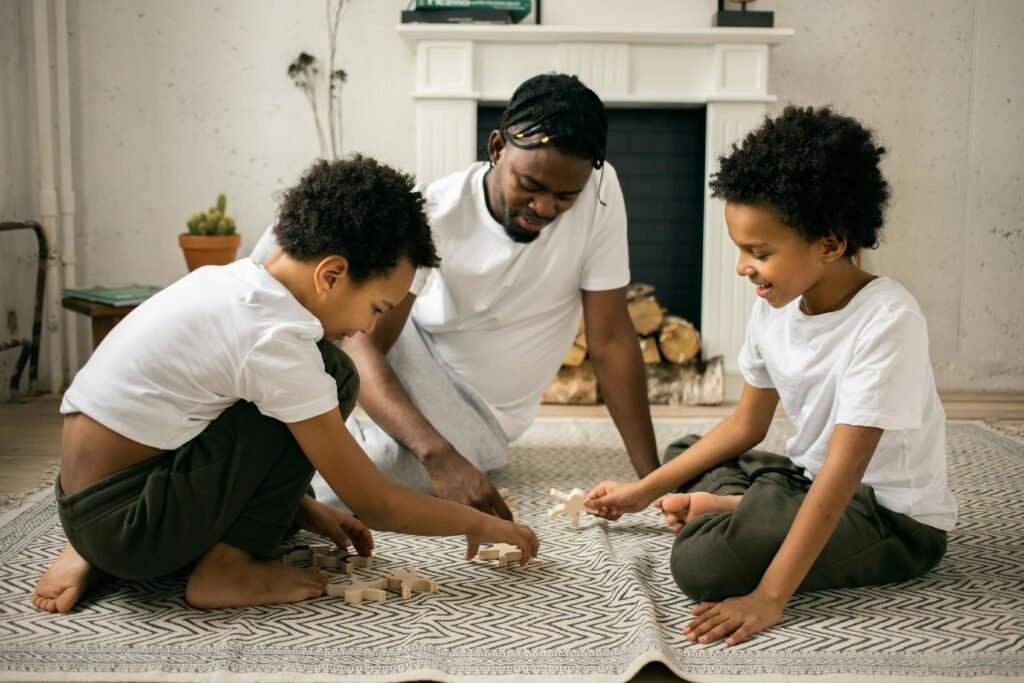
The Importance of Parents in Child Counselling When a child begins counselling, parents and caregivers often wonder what their role should be. You may ask yourself, Shouldn’t this just be between my child and the counsellor? Or What if I’m doing something wrong? These questions are not only common — they’re completely understandable. In child-centred counselling, especially when using play-based approaches such as Synergetic Play Therapy, working with parents and caregivers alongside the child is not optional or secondary. It is a fundamental part of supporting meaningful, lasting change within the family. Healing does not Happen in Isolation Children live within relationships. Their nervous systems, emotional responses, and behaviours are shaped by their environments and the people who care for them. Because of this, lasting change rarely happens when a child is supported in isolation from their caregivers. While the counselling space offers safety, attunement, and regulation, the majority of a child’s life happens at home, school, and in the community. When parents and caregivers are included in the therapeutic process, children experience consistency, understanding, and support beyond the therapy room. This collaborative approach helps create changes that are not only meaningful, but also sustainable. A Core Belief of Synergetic Play Therapy: The Nervous System Matters One of the foundational beliefs of Synergetic Play Therapy is that behaviour is driven by the nervous system, not by willfulness or defiance. Children do the best they can with the nervous system state they are in. When a child is overwhelmed, dysregulated, or anxious, their behaviour is often communicating a need for safety, connection, or support. Understanding this shifts the focus away from punishment or control and toward regulation, attunement, and repair. Parents and caregivers play a critical role in this process. When adults understand how their own nervous system interacts with their child’s, they become powerful co-regulators — helping their child return to a sense of safety and balance. The Role of Parents as Co-Regulators Synergetic Play Therapy emphasizes the importance of co-regulation before self-regulation. Children learn to regulate their emotions through relationships, not in isolation. When caregivers are supported in understanding their child’s nervous system, they can: Counselling that includes parents helps caregivers build confidence in these skills, creating a more regulated and emotionally safe home environment. Why Parent Involvement Strengthens Child Counselling Including parents and caregivers in the counselling process allows for shared understanding and alignment. Rather than feeling confused or left out, caregivers gain insight into what their child is working through emotionally. This collaboration helps: When caregivers understand the why behind their child’s behaviour, they are better equipped to support growth rather than feeling stuck in cycles of frustration. Supporting Emotional Safety Within the Family System A key principle of Synergetic Play Therapy is emotional safety. Children heal when they feel safe enough to explore big emotions, try new responses, and experience connection even during difficult moments. Parents and caregivers help build this safety by: Counselling supports caregivers in developing these skills with confidence and self-compassion, recognizing that perfection is never the goal — presence is. Helping Parents Understand Their Own Emotional Triggers An often-overlooked part of child counselling is supporting parents in understanding their own nervous system responses. Children’s behaviours can activate strong emotional reactions in caregivers, especially when they mirror our own stress, fears, or past experiences. Synergetic Play Therapy views this with compassion. Rather than blaming caregivers, it invites curiosity: When caregivers are supported in this self-awareness, they are better able to stay grounded and connected during challenging moments with their child. Healing Happens Through Relationship Another foundational belief of Synergetic Play Therapy is that healing happens through relationship. The therapeutic relationship supports the child, and the caregiver-child relationship supports long-term change. When parents and caregivers are included in the process, children experience: This relational focus allows families to move toward connection rather than control. Small Changes Create Lasting Impact Meaningful change does not require drastic interventions or perfect parenting. Often, it is the small, consistent shifts — increased attunement, calmer responses, moments of repair — that create the biggest impact over time. When caregivers feel supported, educated, and empowered, they are more likely to respond with confidence and compassion. This ripple effect supports not only the child, but the entire family system. You Are an Essential Part of Your Child’s Healing If your child is in counselling, it’s important to know that you are not on the sidelines. You are a central part of the healing process. Your presence, curiosity, and willingness to grow alongside your child matter deeply. Counselling that includes parents and caregivers honours the reality that families heal together — through connection, understanding, and shared growth. At Achieve Balance Counselling we work with parents alongside their child as we believe this helps to ensure the very best possible outcome for the child as well as the whole family. If you’d like to find out more about our counsellors please check out our About pages When children feel supported both in therapy and at home, they are better able to regulate emotions, build resilience, and thrive within their relationships.
Play Therapy: A Great Way to Work with Child Clients
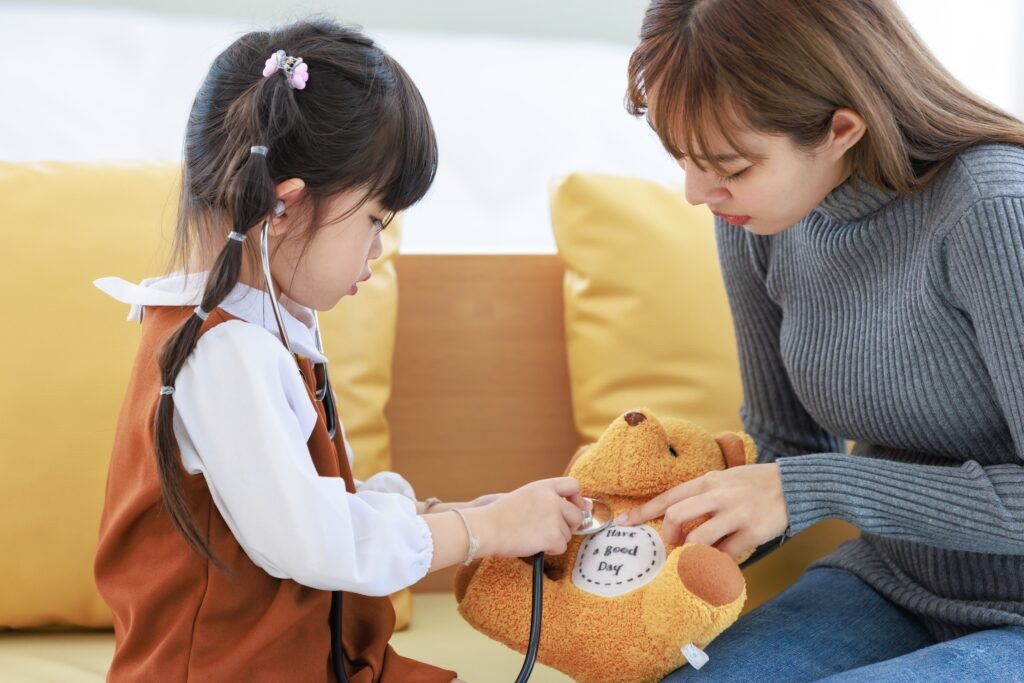
Understand How Play Therapy Can Help Your Child Maybe you’ve started to feel worried about how your child is responding to everyday situations. Transitions feel especially hard, your child avoids trying new activities, or tantrums and meltdowns seem to happen more often than with other children you know. Perhaps your child’s teacher, doctor, or another caregiver has shared concerns about your child’s behaviour and suggested counselling. If this sounds familiar, you’re not alone. Many parents reach out for counselling not because something is “wrong,” but because they sense their child is struggling and want to understand how to support them better. So now what? Why Parents Often Feel Unsure About Counselling for Children You might have some understanding of what happens during a counselling session. You may have attended counselling yourself and found it helpful to talk with a counsellor who supported you in processing thoughts, feelings, and reactions. Adult counselling often involves conversation, reflection, and insight. But when you imagine counselling for your child, it’s hard to picture how that would work. Your child isn’t going to want to sit in a chair and talk to an adult they don’t know about what’s happening inside them. They might not even have the words to explain how they feel to you, let alone during a 50-minute session. You may be thinking, There’s no way my child can do this. These are very common and very valid concerns. How Play Therapy Is Different From Talk Therapy This is where play therapy comes in. The first and most important clue to what happens in play therapy is the word play. Play is how children naturally learn about the world, relationships, and themselves. Long before children can explain their feelings with words, they express their inner experiences through play. When children are playing, they are fully immersed in what they are doing. The play feels real to them. They are not “pretending” in the way adults often think of pretending. To understand this, think about how you experience watching a movie or TV show. How many times have you jumped during a scary scene, laughed out loud at something funny, or cried during an emotional moment? You know the movie isn’t real, but in that moment, your body and emotions respond as if you are part of what’s happening. This is similar to what happens for children during play. What Children Are Communicating Through Play When children play, they are often recreating experiences from their lives—things they are trying to understand, make sense of, or work through. Through play, children can explore different outcomes, roles, and responses in a way that feels safe and manageable. Play allows children to: Express emotions they don’t yet have words for Explore fears, worries, or confusing experiences Practice problem-solving and emotional regulation Experiment with different ways of responding to challenges For children who experience big emotions, anxiety, behavioural challenges, or difficulty with transitions or relationships, play can be a powerful window into their inner world. What Happens During Play Therapy Sessions During play therapy, your child’s counsellor carefully observes and joins your child in play in a way that feels supportive and respectful. The counsellor isn’t directing the play or asking your child to explain everything they are doing. Instead, they are paying attention to patterns, themes, and emotional cues that emerge naturally. Your child’s counsellor may not know specific details, such as the name of a classmate your child is struggling with. However, they can often see themes related to: Difficulty with friendships or social relationships Feeling overwhelmed or out of control Anxiety about separation, transitions, or new situations A need for safety, connection, or reassurance These themes provide important information about what your child is experiencing emotionally. How Counsellors Support Change Through Play One of the unique benefits of play therapy is that support and learning happen in the moment. While your child is playing, when a challenging situation arises within the play, the counsellor can gently introduce new ideas, emotional language, or coping skills. This might involve helping your child notice feelings, offering alternative ways a character could respond, or supporting regulation when emotions become intense. Because this happens within play—rather than through explanation or instruction—children are often much more receptive. They are learning through experience rather than being told what to do. Over time, these experiences can help children: Build emotional awareness Develop regulation skills Increase confidence and resilience Feel more understood and supported How Play Therapy Helps Parents and Caregivers Play therapy isn’t only about supporting the child. It also helps caregivers better understand their child’s emotional world. Counsellors often work collaboratively with parents, sharing observations and offering guidance that aligns with the child’s needs and the family’s values. This can help parents: Make sense of their child’s behaviour Respond with more confidence and compassion Support emotional regulation at home Strengthen the parent-child relationship When children feel understood and supported both in therapy and at home, meaningful change becomes more sustainable. When Play Therapy May Be Helpful for Your Child Play therapy can be helpful for children who are experiencing: Frequent tantrums or meltdowns Anxiety or worry Difficulty with transitions or change Challenges with social relationships Big emotions they struggle to express Behaviour changes at home or school Every child is unique, and play therapy meets children where they are developmentally and emotionally. Our Child Counselling services are tailored to each child’s developmental and emotional needs, with play therapy being one of the approaches we use. A Gentle, Child-Centred Approach to Healing If you are considering counselling for your child, it’s important to know that they don’t need to be able to explain what’s wrong or talk through their feelings in order to benefit. Through play therapy, children are given a language that already feels familiar to them. Play therapy offers children a safe, supportive space to explore their experiences, develop coping skills, and grow emotionally—without pressure to perform or explain. If you’re feeling unsure but curious, that’s a meaningful first