
Understanding Play Therapy: Child-Centred Play Therapy & Synergetic Play Therapy

Written by: Lena Nguyen, Counselling Intern Clinically reviewed by: Kim Kendall, RCC-ACS, BCRPT, SPT-S As a parent, noticing changes in your child’s behaviour can feel overwhelming. Perhaps you’re seeing more frequent meltdowns, sudden aggression, heightened anxiety, or school avoidance. It’s natural to wonder whether counselling could help. However, when you start researching options and hear the term play therapy, a common question arises: How can playing with toys actually help my child work through complex emotional struggles? If you’ve undergone counselling yourself, you’re likely used to sitting down and talking through your thoughts with a counsellor. When you watch a young child enter a playroom full of toys, sand trays, and art supplies, it looks vastly different. If you’ve got questions about how play therapy works, you’re not alone. In this post, we’ll explore what therapy is, how counselling differs between adults and children, and how two complementary approaches—Child-Centred Play Therapy (CCPT) and Synergetic Play Therapy (SPT)—work to support children. What Is Therapy? Therapy—also referred to as counselling or psychotherapy—is a safe, supportive space where individuals or families work alongside a trained counsellor to better understand their emotions, behaviours, and relationships. Counselling provides a non-judgmental atmosphere that involves: Processing difficult experiences: Unpacking trauma, grief, or sudden life changes. Psychoeducation: Learning how mental health concerns like anxiety physically affect the brain and body. Skill development: Acquiring practical coping strategies for emotional regulation. Improving relationships: Strengthening communication and setting healthy boundaries. What About Confidentiality? Confidentiality forms the bedrock of any therapeutic relationship. What you share with your counsellor is kept private, with standard legal exceptions regarding safety risks (harm to self or others), child protection concerns, or court orders. Counsellors review these limits during intake so you understand what to expect. What Does Therapy Look Like for Children? Therapy with children looks significantly different from therapy with adults. Adults possess the abstract reasoning and vocabulary to articulate emotional distress. Children are still developing these capacities and often experience intense feelings without having the words to explain them. Children naturally use play to communicate, explore, and make sense of their world. Instead of asking a child to sit down and talk, play counsellors use expressive modalities such as art, sand trays, figurines, role-playing, and movement to help them process complex emotions. But Isn’t It “Just Playing”? While play therapy may look like an ordinary playdate from the outside, a trained play counsellor actively observes how the child interacts with materials, manages frustration, and responds to sensory input. The counsellor uses these real-time moments to support the child in developing new ways of responding. Play isn’t a distraction—it’s the therapeutic process itself. Child-Centred Play Therapy (CCPT) Child-Centred Play Therapy (CCPT) is a non-directive approach grounded in person-centred theory. In CCPT, the child takes the lead in choosing how to spend their time in the playroom. The counsellor’s role is to cultivate an environment characterized by total acceptance, empathy, and psychological safety. Core Condition Clinical Purpose Counsellor Authenticity The counsellor engages transparently without a rigid clinical mask. Unconditional Positive Regard The child is fully accepted without judgment or conditions on behaviour. Empathic Understanding The counsellor reflects the child’s emotional reality from the child’s perspective. Safety & Connection A deep psychological bond gives the child space to explore vulnerable feelings. CCPT operates on the belief that children possess an innate drive toward growth. When provided with a secure environment, they naturally process difficult experiences and develop healthier coping strategies. Synergetic Play Therapy (SPT) Synergetic Play Therapy (SPT) combines directive and non-directive techniques with insights from interpersonal neurobiology, attachment, and nervous system regulation. In SPT, outward behaviours—such as aggression, meltdowns, or withdrawal—are understood through the lens of nervous system arousal. When a child’s system becomes overwhelmed, their ability to regulate breaks down. Rather than focusing solely on stopping the behaviour, an SPT counsellor works to support the underlying nervous system state. The Role of Co-Regulation Co-regulation occurs when one person’s calm, grounded state helps stabilize another person’s dysregulated system. In SPT, the clinician uses their own nervous system as an anchor: Mindful Self-Awareness: The counsellor tracks their own somatic responses and breath during high-arousal play. Authentic Presence: The counsellor stays present with the child’s intense feelings without becoming overwhelmed. Interpersonal Connection: The child learns to tolerate uncomfortable bodily sensations without escalating into distress. Exploring CCPT and Synergetic Play Therapy Both CCPT and SPT share a deep respect for the child’s inner world and offer evidence-based pathways for emotional healing. Depending on a child’s unique personality and needs, a counsellor might lean into one approach or blend elements of both: Session Direction: CCPT is primarily non-directive, giving full control to the child. SPT blends non-directive play with gentle, counsellor-guided somatic and co-regulatory support when helpful. Body & Nervous System Focus: CCPT emphasizes emotional reflection and relational safety. SPT integrates nervous system arousal, helping children connect physical sensations directly to their feelings. Counsellor Integration: In CCPT, the counsellor acts as an empathetic reflector. In SPT, the counsellor actively models regulation, movement, and breath alongside the child in real time. What Can Play Therapy Help With? Play therapy effectively supports children navigating a wide range of social, emotional, and behavioural challenges, including: Anxiety, phobias, and emotional regulation Aggression, meltdowns, and big emotions School difficulties and school avoidance Grief, loss, and family transitions ADHD-related challenges and impulse control How Long Does Play Therapy Take? Because every child’s temperament and life experiences are unique, there’s no set timeline. Some children benefit from short-term support over a few months, while others need longer-term therapy. Parents and caregivers are an essential part of this process. Counsellors often schedule periodic parent consultation sessions to discuss progress and share strategies to reinforce co-regulation at home. Supporting Your Child Through the Process Starting therapy for your child naturally comes with questions. Whether your child’s counsellor utilizes Child-Centred Play Therapy, Synergetic Play Therapy, or an integrative approach combining both, the goal remains consistent: providing a safe relationship where your child feels understood, supported, and empowered to grow.
Understanding Anxiety in Teens and Adults

Written by: Lena Nguyen, Counselling Intern Clinically reviewed by: Kim Kendall, RCC-ACS, BCRPT, SPT-S Signs, Types, and When to Seek Support Perhaps you’ve noticed that your teenager is avoiding school, experiencing frequent headaches, or worrying constantly about what might go wrong. Or maybe you’re an adult who finds yourself caught in worst-case-scenario thinking while also experiencing a racing heart, restlessness, or difficulty relaxing. Anxiety in teens and adults can look very different, but both may experience symptoms that begin to interfere with everyday life. The way anxiety presents can vary from one person to another and may change as we move through different stages of life. As we explored in our previous blog post, anxiety is a normal part of being human. It can alert us to potential challenges, help us prepare for important events, and keep us safe. However, when anxiety becomes persistent, overwhelming, or begins to interfere with everyday life, additional support may be helpful. Signs of Anxiety in Teenagers Anxiety can show up in many ways during adolescence. While some symptoms overlap with adults, anxiety in teens may also appear through changes in behaviour, school performance, friendships, or family relationships. You may notice that a teenager experiencing anxiety avoids school or activities. Other anxiety symptoms may include withdrawing from friends, having difficulty sleeping, frequently seeking reassurance, or avoiding situations that feel uncomfortable. They may also feel increasingly self-conscious, worry excessively, feel nervous or overwhelmed, or struggle with uncertainty. Some teenagers may not describe themselves as feeling anxious at all. Instead, anxiety may appear as irritability, withdrawal, frustration, or perfectionism. Anxiety also activates the body’s stress response and can create physical sensations such as a racing heart, headaches, stomach discomfort, or restlessness. Signs of Anxiety in Adults Adults can be affected by anxiety in many different ways including emotionally, physically, and behaviourally. You may notice anxiety through avoiding situations that trigger anxious feelings, having difficulty sleeping or slowing down, seeking reassurance, or spending significant amounts of time preparing for possible problems or worst-case scenarios. Other symptoms can include nervousness, restlessness, tension, difficulty controlling worry, panic, or difficulty concentrating because of racing thoughts. Anxiety may become more noticeable during periods of change or increased stress. Because anxiety involves the body’s stress response, it can also create physical sensations such as increased heart rate, rapid breathing, fatigue, muscle tension, or headaches. Understanding the connection between anxiety, thoughts, emotions, and the body can be an important first step toward responding with greater awareness and compassion. Common Types of Anxiety Disorders Anxiety is a normal part of day-to-day life. However, someone may be diagnosed with an anxiety disorder when symptoms are persistent, excessive, difficult to control, and significantly interfere with daily functioning. Social Anxiety Disorder Social anxiety disorder involves an intense and ongoing fear of being judged, embarrassed, rejected, or negatively evaluated by others. Someone experiencing social anxiety may avoid social gatherings, speaking in front of others, meeting new people, or other situations where they feel watched or judged. Generalized Anxiety Disorder Generalized anxiety disorder (GAD) involves persistent and excessive worry about a variety of everyday areas of life. Teenagers may worry about school, friendships, the future, or making mistakes, while adults may worry about work, relationships, finances, health, family, or other responsibilities. Panic Disorder Panic disorder involves recurrent and unexpected panic attacks along with ongoing concern about having additional attacks. A panic attack can involve an intense wave of fear or discomfort accompanied by physical symptoms such as a racing heart, difficulty breathing, dizziness, trembling, sweating, or stomach discomfort. These are only a few examples. A qualified professional can help with assessment and diagnosis when appropriate. When Should You Seek Help for Anxiety? Experiencing anxiety from time to time does not necessarily mean that something is wrong. Anxiety is a natural human response. It may be time to consider seeking support when symptoms of anxiety in teens and adults become persistent, difficult to manage, or begin interfering with everyday life. For teenagers, this might look like avoiding school, withdrawing from friends, no longer participating in activities they once enjoyed, frequent physical complaints, or increasing irritability and emotional overwhelm. For adults, anxiety may begin to affect work, relationships, sleep, social activities, family life, or the ability to enjoy everyday activities. If anxiety is becoming difficult to manage, speaking with your family doctor or another qualified healthcare professional can be a helpful place to begin. Strategies for Managing Anxiety and Supporting Your Mental Health Professional support can be an important part of managing anxiety, but there are also small steps you can take in everyday life. Be Mindful of Caffeine Caffeine can contribute to an increased heart rate, restlessness, and jitteriness. Pay attention to how your body responds and consider whether reducing your intake may be helpful. Practice Relaxation Techniques Making space for relaxation can help your body and mind shift out of a heightened state of stress. You might consider mindfulness, meditation, guided imagery, slow deep breathing, or progressive muscle relaxation. Build a Supportive Care Team If anxiety is beginning to interfere with your life, consider connecting with a healthcare or mental health professional. Your family doctor can help you understand your symptoms and discuss treatment options. Anxiety counselling can provide a safe and supportive space to better understand what is happening and develop strategies for managing it. At Achieve Balance Counselling, we recognize that anxiety can affect your body, emotions, relationships, and sense of safety. Our therapists use evidence-informed and attachment-focused approaches, tailoring counselling to the individual. Depending on the client’s needs, therapy may incorporate Somatic Attachment, EMDR, Neuroscience and Satir in the Sand Tray (NSST), Emotionally Focused Therapy (EFT), or other experiential and relational approaches. For children and youth, anxiety may also be explored through play therapy or other developmentally appropriate approaches. Counselling may include awareness of body sensations and emotions, emotional regulation skills, and exploring patterns that contribute to anxiety. The goal is not simply to make anxiety disappear, but to develop understanding and new ways of responding
Anxiety in Children

Written by: Lena Nguyen, Counselling Intern Clinically reviewed by: Kim Kendall, RCC-ACS, BCRPT, SPT-S How to Recognize Anxiety in Children: Signs, Symptoms, and When to Seek Help Understanding Anxiety in Children If you’re a parent wondering whether your child’s behaviour is a normal part of development or whether it could be a sign of anxiety, you’re not alone. Many families in Abbotsford, Chilliwack, and surrounding communities ask questions like, “Is this just a phase?”, “Are they simply shy?” or “Should I be concerned?” The truth is that anxiety in children can look very different from anxiety in adults. Some children are able to talk about their worries, while others express anxiety through their behaviour, emotions, or physical symptoms. Understanding what anxiety is—and how it can show up in children—is the first step toward helping your child feel supported. What Is Anxiety? Anxiety is a normal response to stress or perceived danger. In many situations, anxiety is helpful and adaptive. For example, if you have an important project with an approaching deadline, feeling a little anxious can motivate you to complete your work. However, anxiety becomes a concern when it is intense, persistent, or begins interfering with daily life. When anxiety affects a child’s well-being, relationships, sleep, school performance, or ability to enjoy everyday activities, it may indicate an anxiety disorder that should be assessed by a healthcare professional, such as a family physician or psychiatrist. What Causes Anxiety in Children? There is rarely one single cause of anxiety. Instead, anxiety often develops because of a combination of factors. Every child is unique, and what contributes to anxiety for one child may be different for another. Some common factors that can contribute to anxiety in children include: A family history of anxiety or other mental health conditions. A naturally cautious or sensitive temperament. Major life changes such as moving, changing schools, parental separation, or the arrival of a new sibling. Difficult experiences such as bullying, conflict with peers, or the loss of a loved one. Stress related to school, friendships, extracurricular activities, or academic expectations. Experiencing or witnessing traumatic or frightening events. While these factors may increase a child’s risk of developing anxiety, they do not necessarily mean that a child will experience an anxiety disorder. Every child responds differently to life’sexperiences. What Does Anxiety Look Like in Children? Because children often struggle to explain how they are feeling, anxiety frequently shows up through behaviours or physical complaints rather than words. Some common signs and symptoms of anxiety in children include: Intense, excessive, or ongoing worry about everyday situations Losing confidence or having lower self-esteem Becoming withdrawn or avoiding situations that cause anxiety Frequently seeking reassurance Restlessness or pacing Fidgeting Freezing or becoming unusually quiet Biting nails or picking at their skin Becoming irritable, tearful, or clingy Difficulty falling asleep, waking during the night, bedwetting, or frequent nightmares Frequent stomach aches or headaches without a clear medical cause Not every child will experience all of these symptoms. Some children may appear calm on the outside while experiencing significant anxiety internally. Why Is Anxiety in Children Sometimes Missed? One of the reasons anxiety in children can go unnoticed is because many symptoms resemble typical childhood behaviours. Parents may assume their child is simply: Shy Sensitive Stubborn Going through a developmental stage Experiencing ” just a phase” While these explanations may sometimes be accurate, persistent anxiety that affects your child’s daily life deserves attention. Early recognition and support can help prevent anxiety from becoming more overwhelming over time. What Should I Do If I Think My Child Has Anxiety? If you think your child may be experiencing anxiety, you’re not alone. Many parents notice several symptoms before deciding to seek support. A good first step is to speak with your family physician or another qualified healthcare professional about your concerns. Preparing for the appointment can be helpful. Consider making notes about: The symptoms you’ve noticed When the symptoms first began Situations or events that seem to trigger anxiety How anxiety is affecting school, friendships, or family life Any family history of anxiety or other mental health concerns The more information you can provide, the easier it is for healthcare professionals to understand what your child is experiencing. If your child’s anxiety continues to affect their daily life after speaking with your physician, counselling can provide additional support. Many families in Abbotsford and Chilliwack find that working with a child counsellor helps children better understand their emotions, build confidence, and learn practical coping skills. Supporting a Child with Anxiety It is important to create a safe space where your child feels comfortable sharing their fears and worries. Knowing they are heard and supported can make a significant difference. Parents can support their child by offering: Positive encouragement Validation of their thoughts and feelings Empathy and understanding Affection and reassurance There are also practical strategies that can help reduce anxiety, including. Practising mindfulness together Using slow, deep breathing exercises Playing games or engaging in enjoyable distraction activities Maintaining predictable routines Encouraging healthy sleep habits For many children, play therapy can also be an effective way to process emotions and develop healthy coping skills in a way that feels natural and age-appropriate. When Should You Consider Counselling? If your child’s anxiety is interfering with school, friendships, family life, sleep, or daily activities, it may be time to seek professional support. A child counsellor can help children understand their feelings, develop healthy coping strategies, and build confidence in managing anxiety. Early intervention often helps children learn skills that support their emotional well-being for years to come. If you’re looking for child anxiety counselling in Abbotsford or Chilliwack, working with a counsellor who understands child development and evidence-based approaches can help your child feel understood while learning practical tools to manage anxiety. Counselling also provides parents with guidance and strategies to support their child both during and between sessions. Final Thoughts Every child experiences worry from time to time, but persistent anxiety
Parents involved in Child Counselling

The Importance of Parents in Child Counselling When a child begins counselling, parents and caregivers often wonder what their role should be. You may ask yourself, Shouldn’t this just be between my child and the counsellor? Or What if I’m doing something wrong? These questions are not only common — they’re completely understandable. In child-centred counselling, especially when using play-based approaches such as Synergetic Play Therapy, working with parents and caregivers alongside the child is not optional or secondary. It is a fundamental part of supporting meaningful, lasting change within the family. Healing does not Happen in Isolation Children live within relationships. Their nervous systems, emotional responses, and behaviours are shaped by their environments and the people who care for them. Because of this, lasting change rarely happens when a child is supported in isolation from their caregivers. While the counselling space offers safety, attunement, and regulation, the majority of a child’s life happens at home, school, and in the community. When parents and caregivers are included in the therapeutic process, children experience consistency, understanding, and support beyond the therapy room. This collaborative approach helps create changes that are not only meaningful, but also sustainable. A Core Belief of Synergetic Play Therapy: The Nervous System Matters One of the foundational beliefs of Synergetic Play Therapy is that behaviour is driven by the nervous system, not by willfulness or defiance. Children do the best they can with the nervous system state they are in. When a child is overwhelmed, dysregulated, or anxious, their behaviour is often communicating a need for safety, connection, or support. Understanding this shifts the focus away from punishment or control and toward regulation, attunement, and repair. Parents and caregivers play a critical role in this process. When adults understand how their own nervous system interacts with their child’s, they become powerful co-regulators — helping their child return to a sense of safety and balance. The Role of Parents as Co-Regulators Synergetic Play Therapy emphasizes the importance of co-regulation before self-regulation. Children learn to regulate their emotions through relationships, not in isolation. When caregivers are supported in understanding their child’s nervous system, they can: Counselling that includes parents helps caregivers build confidence in these skills, creating a more regulated and emotionally safe home environment. Why Parent Involvement Strengthens Child Counselling Including parents and caregivers in the counselling process allows for shared understanding and alignment. Rather than feeling confused or left out, caregivers gain insight into what their child is working through emotionally. This collaboration helps: When caregivers understand the why behind their child’s behaviour, they are better equipped to support growth rather than feeling stuck in cycles of frustration. Supporting Emotional Safety Within the Family System A key principle of Synergetic Play Therapy is emotional safety. Children heal when they feel safe enough to explore big emotions, try new responses, and experience connection even during difficult moments. Parents and caregivers help build this safety by: Counselling supports caregivers in developing these skills with confidence and self-compassion, recognizing that perfection is never the goal — presence is. Helping Parents Understand Their Own Emotional Triggers An often-overlooked part of child counselling is supporting parents in understanding their own nervous system responses. Children’s behaviours can activate strong emotional reactions in caregivers, especially when they mirror our own stress, fears, or past experiences. Synergetic Play Therapy views this with compassion. Rather than blaming caregivers, it invites curiosity: When caregivers are supported in this self-awareness, they are better able to stay grounded and connected during challenging moments with their child. Healing Happens Through Relationship Another foundational belief of Synergetic Play Therapy is that healing happens through relationship. The therapeutic relationship supports the child, and the caregiver-child relationship supports long-term change. When parents and caregivers are included in the process, children experience: This relational focus allows families to move toward connection rather than control. Small Changes Create Lasting Impact Meaningful change does not require drastic interventions or perfect parenting. Often, it is the small, consistent shifts — increased attunement, calmer responses, moments of repair — that create the biggest impact over time. When caregivers feel supported, educated, and empowered, they are more likely to respond with confidence and compassion. This ripple effect supports not only the child, but the entire family system. You Are an Essential Part of Your Child’s Healing If your child is in counselling, it’s important to know that you are not on the sidelines. You are a central part of the healing process. Your presence, curiosity, and willingness to grow alongside your child matter deeply. Counselling that includes parents and caregivers honours the reality that families heal together — through connection, understanding, and shared growth. At Achieve Balance Counselling we work with parents alongside their child as we believe this helps to ensure the very best possible outcome for the child as well as the whole family. If you’d like to find out more about our counsellors please check out our About pages When children feel supported both in therapy and at home, they are better able to regulate emotions, build resilience, and thrive within their relationships.
Nature-based Counselling for Neurodivergent Children

How Play-Based and Outdoor Counselling Supports Neurodivergent Children Parents of neurodivergent children often notice that traditional talk-based approaches don’t always meet their child’s needs. Sitting still, answering direct questions, or explaining complex emotions with words can feel overwhelming or inaccessible—especially for children who process the world through movement, sensory experiences, or play. These challenges can make it difficult for children to feel safe and understood in conventional therapy settings, which is why alternative approaches can be so impactful. Play-based counselling, particularly when combined with time outdoors, offers a developmentally appropriate and neurodiversity-affirming way to support neurodivergent children’s emotional well-being, regulation, and confidence. By integrating play and nature into counselling, therapists create opportunities for children to engage on their own terms, explore feelings safely, and build skills in a way that feels natural and empowering. Understanding Neurodivergence in Children Neurodivergence refers to natural differences in how brains develop and function. This includes children who are autistic, have ADHD, learning differences, sensory processing differences, or other neurological variations. Neurodivergent children may experience the world more intensely—emotionally, sensory-wise, or relationally—and may express distress through behaviour rather than words. Recognizing these differences as part of a child’s natural variation rather than deficits is essential in creating a supportive therapeutic environment. Rather than viewing these differences as problems to be fixed, a neurodiversity-affirming approach recognizes them as valid and valuable variations of human experience. Counselling that honours neurodivergence focuses on understanding a child’s nervous system, strengths, and individual needs rather than trying to make them “fit” a typical mould. This perspective helps children feel validated, respected, and empowered, which is foundational for emotional growth. Why Play-Based Counselling Works for Neurodivergent Children Play is a child’s natural language. For neurodivergent children, play often provides a safer and more accessible way to communicate experiences, emotions, and needs. In play, children can explore complex feelings and challenges indirectly, which can reduce anxiety and encourage self-expression. Play Reduces Pressure and Performance Demands Many neurodivergent children feel constant pressure to behave, communicate, or regulate in ways that don’t come naturally to them. In play-based counselling, there is no expectation to talk “the right way” or have insight on demand. Children are free to express themselves through toys, art, sandtray, movement, or imaginative play. They can use puppets, figurines, or storytelling to work through experiences without feeling judged or pressured. This approach reduces anxiety and allows trust to develop organically, creating a foundation for meaningful therapeutic work. Play Supports Emotional Regulation Play-based counselling helps children explore big emotions—such as anger, fear, sadness, or frustration—within a contained and supportive environment. Through play, children practice regulation skills, problem-solving, and emotional expression in ways that feel safe and manageable. For neurodivergent children who experience emotional overwhelm or shutdowns, play offers gentle opportunities to build nervous system flexibility and resilience. Through repeated, guided experiences in play, children learn to notice and respond to emotions without becoming dysregulated, gradually gaining confidence in their coping skills. Play Meets Sensory and Developmental Needs Many neurodivergent children are sensory seekers or sensory avoiders. Play-based counselling allows the therapist to attune to a child’s sensory profile and offer experiences that support regulation—whether that’s tactile play, movement, heavy work, or calming sensory input. Because play is flexible and child-led, it adapts to the child rather than expecting the child to adapt to the therapy. Children who may struggle in structured settings often thrive in play, where their creativity, curiosity, and energy are embraced rather than restricted. The Powerful Role of the Outdoors in Counselling When counselling extends beyond the therapy room and into nature, the benefits can deepen—especially for neurodivergent children. The outdoors offers a dynamic, multisensory environment that naturally supports learning, self-expression, and regulation. Nature Supports Nervous System Regulation Time outdoors has been shown to support regulation of the nervous system. Natural environments often provide rhythmic, predictable sensory input—such as birdsong, wind, water, and open space—that can feel calming and grounding. For children who feel overwhelmed by indoor environments or artificial stimuli, being outside can immediately lower stress and increase a sense of safety. Even simple activities like walking along a trail, noticing different textures, or listening to natural sounds can have measurable calming effects. Movement Helps Children Process Emotions Many neurodivergent children process emotions through movement. Walking, climbing, running, or exploring outdoors allows emotions to move through the body rather than getting stuck. Movement encourages children to release tension, develop body awareness, and improve attention. Outdoor counselling creates opportunities for children to: This can be especially helpful for children with ADHD, sensory processing differences, or high levels of anxiety, as movement engages both body and mind in a way that static therapy cannot. Nature Encourages Creativity and Agency Outdoor environments naturally invite curiosity, imagination, and problem-solving. Sticks become tools, rocks become characters, and trails become adventures. This kind of open-ended play supports creativity, confidence, and a sense of agency. For neurodivergent children who may struggle with rigid expectations or social rules, nature-based play offers freedom and autonomy—key ingredients for emotional growth. Children are able to make choices, test ideas, and express themselves without fear of failure or judgement, which reinforces self-esteem and resilience. Combining Play-Based and Outdoor Counselling When play-based counselling is combined with outdoor experiences, children benefit from a holistic approach that supports the whole child—mind, body, and nervous system. The combination of play and nature creates a therapeutic space that is engaging, flexible, and deeply supportive. In outdoor play-based counselling, sessions may include: The therapist remains attuned to the child’s cues, pacing sessions to support safety, regulation, and choice. Supporting Caregivers Alongside the Child An important part of counselling with neurodivergent children is supporting caregivers. Parents and caregivers are often navigating complex systems while trying to understand their child’s needs and behaviours. Play-based and outdoor counselling can help caregivers: When caregivers feel supported, children benefit too. Families who engage in therapy alongside their children often notice that small changes in communication, routines, or emotional attunement can have a lasting positive impact. A Strengths-Based Path Forward Neurodivergent
EMDR Therapy

EMDR Therapy: Understanding Eye Movement Desensitization and Reprocessing What Is EMDR? EMDR stands for Eye Movement Desensitization and Reprocessing. EMDR is a structured psychotherapy approach that is most commonly used to treat trauma and trauma-related conditions such as post-traumatic stress disorder (PTSD). Over time, EMDR has also been shown to be effective for anxiety, depression, phobias, and other emotional difficulties. EMDR was developed in the late 1980s by psychologist Francine Shapiro. Since then, EMDR therapy has been extensively researched and is now recognized internationally as an evidence-based treatment for trauma and related concerns. How Does EMDR Work? EMDR is based on the idea that distressing or traumatic experiences can overwhelm the brain’s natural ability to process information. When this happens, memories may become “stuck,” along with the emotions, beliefs, and physical sensations associated with the event. These unprocessed memories can continue to cause emotional distress long after the experience has passed. During EMDR therapy, a therapist helps the client recall a distressing memory while simultaneously engaging in bilateral stimulation. Bilateral stimulation involves a rhythmic, side-to-side pattern that the client can see, hear, or feel. Common examples include guided eye movements, alternating sounds, or gentle tapping. This combination of recalling the memory while engaging in bilateral stimulation is believed to activate the brain’s natural healing processes, allowing the memory to be reprocessed and stored in a less distressing way. The Eight Phases of EMDR Therapy EMDR follows a structured eight-phase protocol, which helps ensure that therapy is safe, effective, and tailored to each individual. These phases include: This structured approach allows EMDR therapists to address trauma in a way that is paced and supportive. EMDR and the Brain One theory behind EMDR is that it mimics the natural processing that occurs during REM sleep, the stage of sleep associated with dreaming and emotional regulation. During REM sleep, the brain processes experiences and integrates memories. EMDR is believed to stimulate a similar process while the client is awake, helping the brain resolve unresolved memories. What Can EMDR Help With? EMDR is best known for treating PTSD, but it is also used to support individuals experiencing: Both adults and children can benefit from EMDR therapy when provided by a trained professional. Is EMDR Evidence-Based? Yes. EMDR has been researched extensively and is recognized as an evidence-based treatment for trauma by numerous international organizations. EMDR therapy is practiced by Registered Clinical Counsellors and Psychotherapists who have completed specialized training and certification in EMDR. Is EMDR Right for You or Your Child? EMDR is not a one-size-fits-all approach, but it can be a powerful option for many people. A trained EMDR therapist will carefully assess your needs and help determine whether EMDR is an appropriate treatment for you or your child. If you are interested in learning more about EMDR therapy, please email admin@achievebalancecounselling.com. We would be happy to answer your questions and help you decide whether EMDR may be a good fit for your healing journey. EMDR stands for Eye Movement Desensitization and Reprocessing. It’s a psychotherapy approach primarily used to treat trauma-related disorders, such as post-traumatic stress disorder (PTSD), and is also used to treat anxiety, depression, phobias and other emotional problems. EMDR was developed by Francine Shapiro in the late 1980s, and involves a structured eight-phase process that incorporates elements of cognitive behavioral therapy (CBT) with bilateral stimulation (such as eye movements, taps, or sounds). EMDR International The goal of EMDR is to help individuals process distressing memories and beliefs associated with traumatic experiences. During a session, the therapist guides the client to recall distressing memories while simultaneously stimulating bilateral sensory input ie. something you can see, hear or touch, that occurs in a moving side-to-side pattern, such as moving your eye back and forth. This process is believed to facilitate the brain’s natural healing mechanisms, enabling the traumatic memories to be reprocessed and integrated into a less distressing form. It is believed that the same process happens during REM sleep. EMDR has been researched extensively and has shown effectiveness in reducing symptoms of PTSD and other trauma-related conditions. It is considered one of the evidence-based treatments for trauma and is practiced by Registered Clinical Counsellors and Psychotherapist who have received specialized training in EMDR therapy. Both adults and children can benefit from EMDR. If you are interested in working with an EMDR trained counsellor please feel free to learn more about Kim Kendall on her bio page or book an Intake Session through our online booking page.
Play Therapy: A Great Way to Work with Child Clients
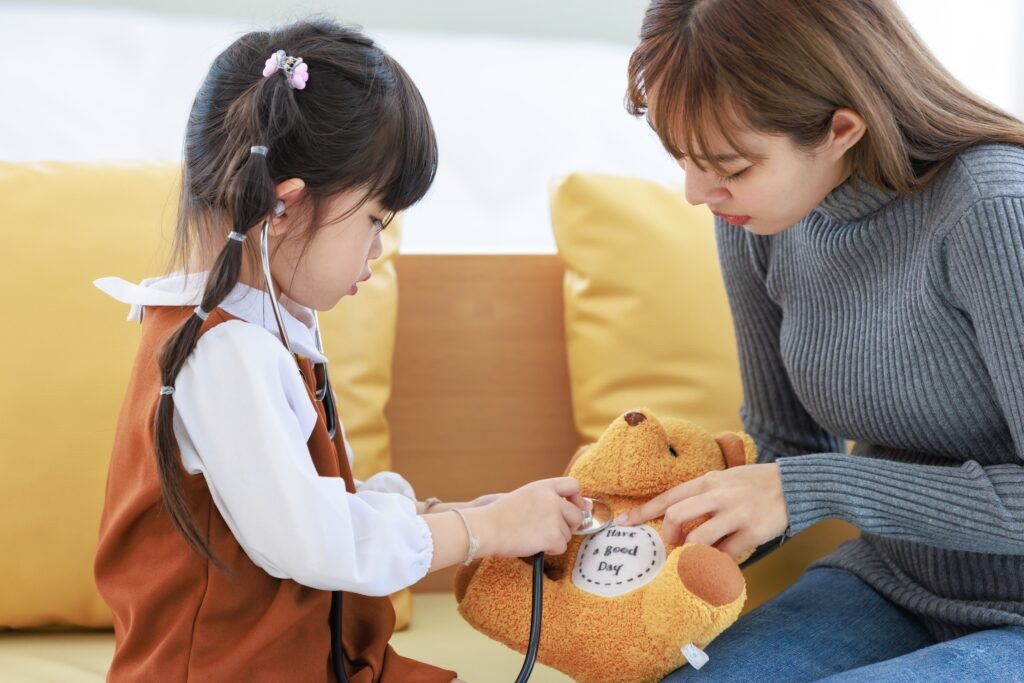
Understand How Play Therapy Can Help Your Child Maybe you’ve started to feel worried about how your child is responding to everyday situations. Transitions feel especially hard, your child avoids trying new activities, or tantrums and meltdowns seem to happen more often than with other children you know. Perhaps your child’s teacher, doctor, or another caregiver has shared concerns about your child’s behaviour and suggested counselling. If this sounds familiar, you’re not alone. Many parents reach out for counselling not because something is “wrong,” but because they sense their child is struggling and want to understand how to support them better. So now what? Why Parents Often Feel Unsure About Counselling for Children You might have some understanding of what happens during a counselling session. You may have attended counselling yourself and found it helpful to talk with a counsellor who supported you in processing thoughts, feelings, and reactions. Adult counselling often involves conversation, reflection, and insight. But when you imagine counselling for your child, it’s hard to picture how that would work. Your child isn’t going to want to sit in a chair and talk to an adult they don’t know about what’s happening inside them. They might not even have the words to explain how they feel to you, let alone during a 50-minute session. You may be thinking, There’s no way my child can do this. These are very common and very valid concerns. How Play Therapy Is Different From Talk Therapy This is where play therapy comes in. The first and most important clue to what happens in play therapy is the word play. Play is how children naturally learn about the world, relationships, and themselves. Long before children can explain their feelings with words, they express their inner experiences through play. When children are playing, they are fully immersed in what they are doing. The play feels real to them. They are not “pretending” in the way adults often think of pretending. To understand this, think about how you experience watching a movie or TV show. How many times have you jumped during a scary scene, laughed out loud at something funny, or cried during an emotional moment? You know the movie isn’t real, but in that moment, your body and emotions respond as if you are part of what’s happening. This is similar to what happens for children during play. What Children Are Communicating Through Play When children play, they are often recreating experiences from their lives—things they are trying to understand, make sense of, or work through. Through play, children can explore different outcomes, roles, and responses in a way that feels safe and manageable. Play allows children to: Express emotions they don’t yet have words for Explore fears, worries, or confusing experiences Practice problem-solving and emotional regulation Experiment with different ways of responding to challenges For children who experience big emotions, anxiety, behavioural challenges, or difficulty with transitions or relationships, play can be a powerful window into their inner world. What Happens During Play Therapy Sessions During play therapy, your child’s counsellor carefully observes and joins your child in play in a way that feels supportive and respectful. The counsellor isn’t directing the play or asking your child to explain everything they are doing. Instead, they are paying attention to patterns, themes, and emotional cues that emerge naturally. Your child’s counsellor may not know specific details, such as the name of a classmate your child is struggling with. However, they can often see themes related to: Difficulty with friendships or social relationships Feeling overwhelmed or out of control Anxiety about separation, transitions, or new situations A need for safety, connection, or reassurance These themes provide important information about what your child is experiencing emotionally. How Counsellors Support Change Through Play One of the unique benefits of play therapy is that support and learning happen in the moment. While your child is playing, when a challenging situation arises within the play, the counsellor can gently introduce new ideas, emotional language, or coping skills. This might involve helping your child notice feelings, offering alternative ways a character could respond, or supporting regulation when emotions become intense. Because this happens within play—rather than through explanation or instruction—children are often much more receptive. They are learning through experience rather than being told what to do. Over time, these experiences can help children: Build emotional awareness Develop regulation skills Increase confidence and resilience Feel more understood and supported How Play Therapy Helps Parents and Caregivers Play therapy isn’t only about supporting the child. It also helps caregivers better understand their child’s emotional world. Counsellors often work collaboratively with parents, sharing observations and offering guidance that aligns with the child’s needs and the family’s values. This can help parents: Make sense of their child’s behaviour Respond with more confidence and compassion Support emotional regulation at home Strengthen the parent-child relationship When children feel understood and supported both in therapy and at home, meaningful change becomes more sustainable. When Play Therapy May Be Helpful for Your Child Play therapy can be helpful for children who are experiencing: Frequent tantrums or meltdowns Anxiety or worry Difficulty with transitions or change Challenges with social relationships Big emotions they struggle to express Behaviour changes at home or school Every child is unique, and play therapy meets children where they are developmentally and emotionally. Our Child Counselling services are tailored to each child’s developmental and emotional needs, with play therapy being one of the approaches we use. A Gentle, Child-Centred Approach to Healing If you are considering counselling for your child, it’s important to know that they don’t need to be able to explain what’s wrong or talk through their feelings in order to benefit. Through play therapy, children are given a language that already feels familiar to them. Play therapy offers children a safe, supportive space to explore their experiences, develop coping skills, and grow emotionally—without pressure to perform or explain. If you’re feeling unsure but curious, that’s a meaningful first
Sand Tray: How Playing in the Sand Can Change Your Brain
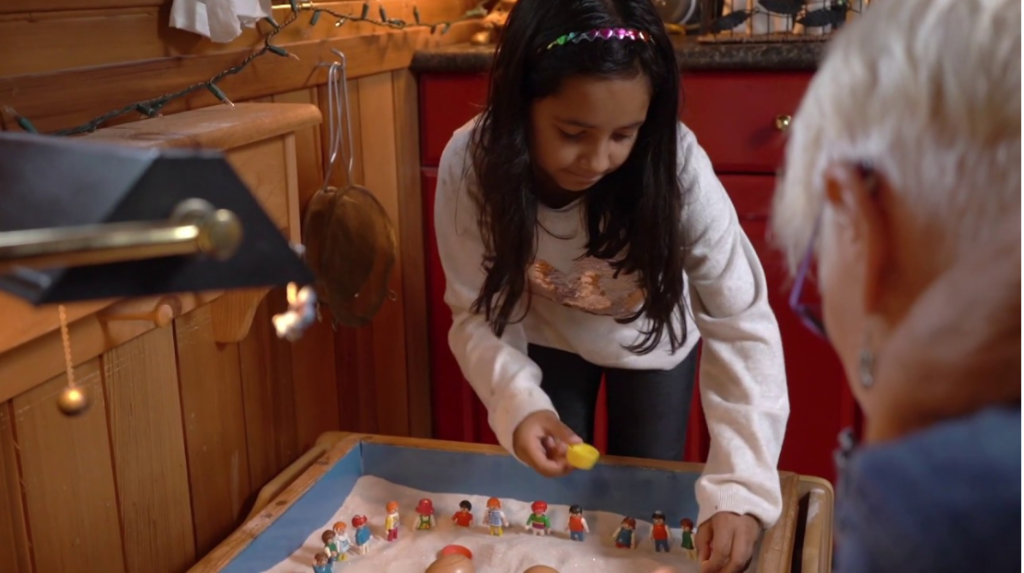
Neuroscience and Satir in the Sand Tray: A Gentle, Powerful Approach to Healing When children, teens, or even adults struggle with big emotions, trauma, anxiety, or shame, finding the right words can feel impossible. Parents often notice that their child knows something is wrong but simply can’t explain it. This is where Neuroscience and Satir in the Sand Tray, developed by Dr. Madeleine De Little, offers a compassionate and deeply effective path toward healing. This innovative therapeutic approach brings together modern neuroscience, attachment theory, the relational work of Virginia Satir, and the expressive power of sand tray therapy. It is especially helpful for children and families because it does not rely solely on talking. Instead, it honours the way the brain actually stores and processes experience—through images, sensations, emotions, and metaphor. Understanding the Brain: Why Talk Isn’t Always Enough Neuroscience research has shown us that many of our early and emotionally intense experiences are not stored as clear, verbal memories. Influential researchers such as Stephen Porges, Bani Badenoch, Dan Siegel, and Allan Schore have helped us understand that the brain—especially the parts responsible for survival and attachment—stores experiences in a nonverbal, emotional, and sensory way. This means that when a child (or adult) has experienced trauma, chronic stress, relational pain, or shame, those experiences may live deep in the nervous system rather than in conscious thought. Asking someone to “just talk about it” can feel overwhelming, frustrating, or even impossible. Dr. Madeleine De Little recognized this gap and developed Neuroscience and Satir in the Sand Tray as a way to gently access these deeper layers of experience—without pressure, and at the client’s own pace. The Role of Metaphor in Healing A core principle of this approach is the understanding that the unconscious mind communicates through metaphor. Long before we have words, we understand the world through images, symbols, and felt experiences. These metaphors often remain with us throughout life. In sand tray therapy, clients use small figurines—such as people, animals, objects, or symbols—and place them in a tray of sand to create scenes that represent their inner world. Children often do this naturally through play, but adults find it equally powerful. Rather than needing to explain what happened or how they feel, clients can show it. For parents, this can be incredibly reassuring. It means your child does not need to relive painful experiences verbally or be pushed to share more than they are ready for. The sand tray becomes a bridge between their inner experience and the healing relationship with the therapist. Creating Safety—Inside and Outside the Sand Tray Safety is foundational in Neuroscience and Satir in the Sand Tray. Dr. De Little emphasizes that safety must exist not only in the therapeutic relationship but within the sand tray itself. The therapist carefully supports the process so the sand tray becomes a contained, predictable, and emotionally safe space. This sense of safety helps regulate the nervous system, allowing the brain to move out of survival mode and into a state where healing and integration can occur. From a neuroscience perspective, this aligns closely with Polyvagal Theory (Stephen Porges), which explains how feelings of safety allow the body and brain to shift into connection, learning, and emotional regulation. For children who experience anxiety, emotional outbursts, withdrawal, or shutdown, this sense of safety is often the first and most important step toward change. Integrating the Satir Model: Healing Through Connection The work of Virginia Satir, a pioneer in family therapy, is a central pillar of this approach. Satir believed that healing happens through authentic connection, emotional validation, and strengthening a person’s sense of self-worth. In Neuroscience and Satir in the Sand Tray, the therapist uses Satir’s principles—such as congruence, compassion, and relational attunement—while observing the sand tray scene. The figurines often represent internal parts of the self, family dynamics, or unmet emotional needs. This allows the therapist to gently support clients in: Recognizing patterns shaped by early relationships Experiencing emotional validation and understanding Developing new, healthier ways of relating to themselves and others For parents, this work can also help uncover how family relationships and attachment experiences influence a child’s emotional world—without blame or judgment. Addressing Trauma, Shame, Anxiety, and Depression One of the most powerful aspects of this approach is its ability to address trauma and shame in a way that feels respectful and non-invasive. Shame, in particular, often lives silently beneath the surface and can be very difficult to talk about directly. Because sand tray work is attachment-based, shame-informed, and trauma-focused, it allows clients to explore painful experiences indirectly and safely. The therapist helps regulate emotions, notice shifts in the body, and support new meanings to emerge. This approach has been shown to be effective in working with: Childhood trauma and developmental trauma Anxiety and chronic worry Depression and low self-worth Attachment challenges Emotional regulation difficulties Over time, clients often experience not just symptom relief, but lasting internal change—including increased resilience, emotional awareness, and self-compassion. Why This Approach Is Especially Helpful for Children and Families Children naturally communicate through play, imagination, and symbolism. Neuroscience and Satir in the Sand Tray respects this developmental reality rather than pushing children into adult ways of processing. Parents often notice that their child: Becomes more emotionally regulated Expresses feelings more freely Shows improved confidence and self-esteem Develops healthier coping skills Importantly, this approach also supports parents by helping them better understand their child’s inner experience and emotional needs. Therapy becomes a collaborative process, rooted in empathy and growth. A Path Toward Deep, Lasting Healing Dr. Madeleine De Little’s Neuroscience and Satir in the Sand Tray offers a compassionate, evidence-informed approach that honours both the science of the brain and the power of human connection. By working with metaphor, safety, and relationship, this method reaches places that words alone cannot. For parents seeking therapy that is gentle, respectful, and deeply effective, this approach provides hope—not just for managing symptoms, but for meaningful and lasting healing. If you are considering therapy for yourself, your child or family and are looking for an approach that truly understands how emotions, attachment, and the nervous system work together, Neuroscience and Satir in the Sand Tray may be a powerful